
Simple Daily Habits to Build Self-Control in Children
Table of Contents
Help your child understand self-control as a Spirit-grown fruit, not just "being good"
Simple daily habits to build self-control in children (without turning your home into a boot camp)
What to do in the hard moments: tantrums, arguing, and screen-time meltdowns
You're trying to raise kind, caring children, but some days feel like constant battles. Whining at breakfast, sibling fights in the hallway, and troubles over food that ends in tears.
By bedtime, you're spent, and you wonder why the same problems keep looping no matter what you try.
The Fruit of the Spirit (Galatians 5:22-23) gives you a solid roadmap of how to act in situations. It's what the Holy Spirit grows in you and your child over time, not a switch you flip with the "right" parenting moment.
One part of that fruit is self-control, which means choosing what's right even when you feel like doing the opposite.
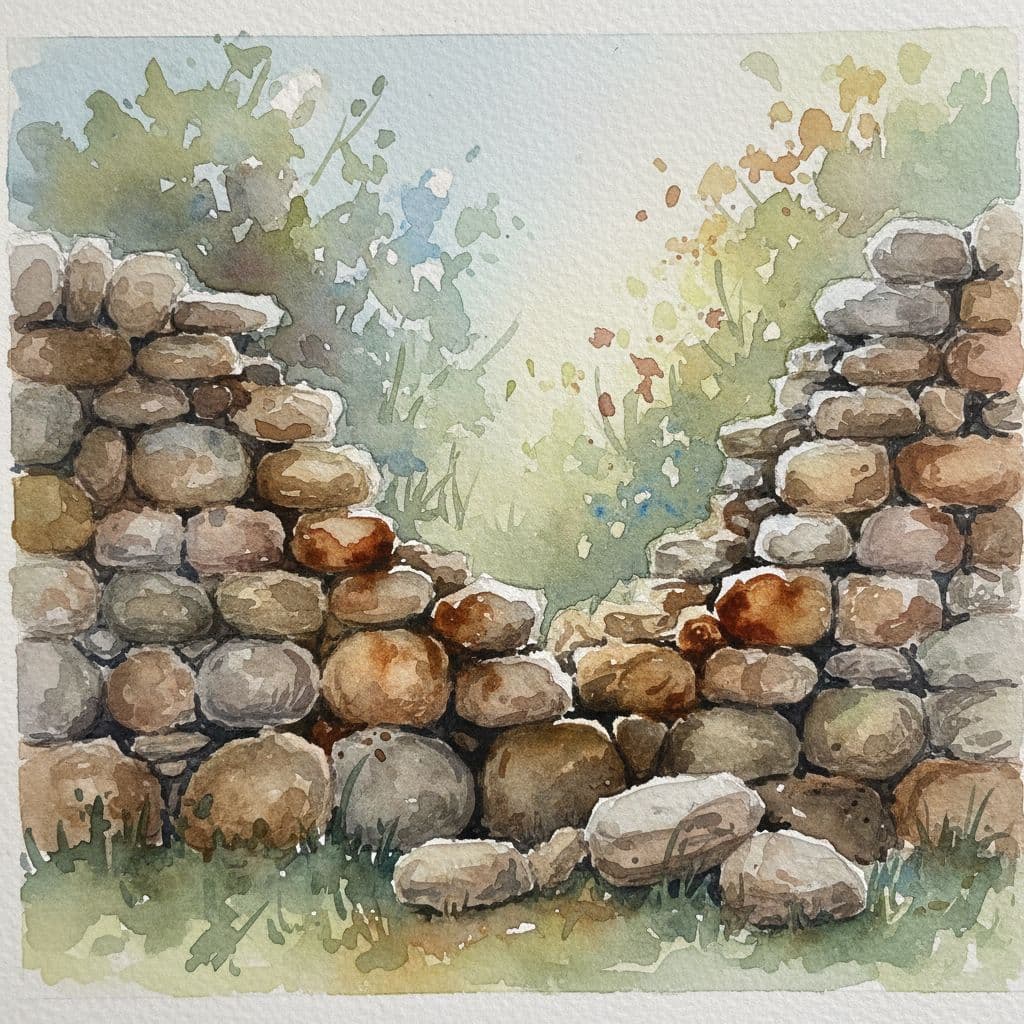
Proverbs 25:28 says a life without self-control is like a city with broken walls. When the walls have crumbled, trouble gets in easily.
The good news is, with God's help, you can help rebuild those "walls" through small daily habits that fit normal life: mornings, car rides, meals, and bedtime.

Help your child understand self-control as a Spirit-grown fruit, not just "being good"
Children often hear, "be good," and take that to mean that they must be perfect. When they mess up, shame can creep in. Instead, you can frame self-control as something that God grows, little by little, as you practise together.
Here's a child-friendly way to paraphrase Galatians 5:22-23: When God's Spirit helps you, He grows good things in you, like love, joy, peace, patience, kindness, goodness, faithfulness, gentleness, and self-control.
That list isn't a checklist to earn God's love. It's fruit that grows because you belong to Jesus.
Fruit takes time. A child doesn't yell less because you explained it once. Fruit grows with steady care, like sunlight and water. In family life, "care" often looks like repeating the same small skills, with warmth, follow-through, and lots and lots of grace.
Proverbs 25:28 gives you a picture that your child can hold in their mind. A city needs walls and gates. Walls keep danger out. Gates control what comes in and what goes out.
When the walls are broken, anything can rush in. In the same way, when your child's self-control is low, big feelings can rush out through their mouth, hands, or feet.
That image helps you stay calm, because you're not battling "bad behaviour." You're helping your child strengthen their "walls" one brick at a time.
When self-control slips, treat it like a skill to build, not a label to wear.
In the moment, you can use simple language that refocuses things back onto the journey:
"Your self-control is still growing. I am right here with you."
"We can't let big feelings break our walls. Let's fix this together."
"God helps us choose what's right, even when it's hard."
A child-sized definition: "stop, think, choose" with God's help
Give your child a phrase they can remember when their brain goes wobbly: stop, think, choose. Keep it short, repeat it often, and say it when things are calm too.
Stop: Pause your body.
Think: Name what's happening inside.
Choose: Pick the right next step, with God's help.
You can say things like:
"Your hands want to hit, but we can choose gentle hands."
"You really want that toy. Stop, think, choose. Ask with a kind voice."
"Your mouth wants to shout. Let's stop, take a breath, then choose calm words."
Self-control is not stuffing feelings down. Your child can feel angry, disappointed, or jealous.
Self-control means guiding those feelings so they don't boss the body around. Feelings aren't 'bad', but our response to those feelings can cause hurt.
Use the "broken wall" picture from Proverbs to talk about boundaries
Some days your child's wall feels paper-thin. You know the days and most likely the triggers. Tiredness, hunger, lots of responsibilities or change can weaken self-control.
When you name that without blaming, your child starts to notice patterns, and can learn to treat themselves with extra grace on those hard days, and ask for more help.
Try a quick, simple activity on a quiet afternoon. Draw a city wall together and add four "gates". Let your child colour it.
Label the gates:
Mouth gate (words)
Hand gate (touching, grabbing, hitting)
Eye gate (what you watch)
Feet gate (where you go)
Then keep it practical: "When you're tired, the mouth gate flies open. That's why we practise calm words at bedtime." This turns boundaries into protection, not punishment.
Simple daily habits to build self-control in children (without turning your home into a boot camp)
You don't need a strict system to build self-control. You need a few tiny habits that you repeat until they feel normal. Think of them as small bricks you lay each day. Connection comes first, then consistency.
Also, keep your aim realistic. Your child won't go from zero to calm overnight. What you're looking for is progress over perfection: a slightly quicker recovery, a softer tone, a shorter tantrum, a kinder repair afterwards, noticing that they said the wrong thing then quickly phrasing it better...
The pause habit: practise a 10-second stop before you react
Self-control often begins with a pause. That pause gives your child's brain time to switch from impulse to choice.
Morning practice (when life is calmer):
After breakfast, make it a game. Say, "Let's practise our pause." Put a hand on your tummy and count to ten slowly. Try "smell the flower, blow the candle" breathing for two or three breaths. Then say, "stop, think, choose."
Keep it light and quick. You're training their body to recognise calm.
In-the-moment practice (when things go wrong):
When your child grabs, shouts, or drops into a tantrum, move close and lower your voice. Then prompt the pause:
"Hand on tummy."
"Breathe with me."
"Count to ten."
If your child won't join in, you still do it. Your calm body sets the pace. Over time, your child learns that a pause is what happens before a choice.
That's brain training, not just behaviour control. And it can come in really handy for us grown-ups too! Children aren't the only ones who make impulse decisions!
A short prayer can also be helpful to refocus our attention back onto the Lord: "Holy Spirit, help us pause and choose what's right." One sentence is enough.
The words habit: swap "I can't" for a better sentence
Many meltdowns come from weak words. Your child feels a storm inside, but they don't have a sentence for it. When you give them better words, you give them a steering wheel.
Teach a few simple replacement phrases and practise them when everyone is settled:
"I'm frustrated. I need help."
"Not yet. I can wait."
"Can I have a turn next?"
"I made a mistake. I can try again."
"I need a break."
Then model it out loud when you're annoyed. Keep it honest and short: "I'm feeling cross because it's loud. I'm going to take a breath and speak kindly."
Your child learns self-control by hearing it in real life, not just being told to have it.
The body habit: fuel, sleep, and movement as self-control helpers
Self-control is spiritual, but it's also physical. A hungry body struggles to make wise choices. A tired child has a weaker "wall," and every little disruption can feel like a threat.
Keep this simple and shame-free. You're not chasing perfect routines. You're supporting your child's nervous system.
A few practical helps:
Offer a snack with protein (yoghurt, cheese, eggs, nut butter if safe) alongside fruit or toast.
Keep water easy to reach, especially after school.
Build in a short movement break each day, even ten minutes outside.
Bedtime matters too. A predictable rhythm reduces battles because your child knows what comes next.
Aim for the same order most nights: wash, pyjamas, teeth, story, prayer, lights out. If your evenings are chaotic, start with order, not length.
You can link it back to Proverbs in child language: "Sleep helps rebuild your wall. Tomorrow will feel easier."

The practise habit: create tiny "waiting" moments every day
Waiting is like a muscle. You don't grow it by giving one huge challenge. You grow it through small reps.
Add playful "micro-waits" to things you already do:
At meals, ask your child to wait until everyone sits before eating. When you hand over a treat, count to 30 together before they open it.
During chatty moments, practise taking turns speaking, with a gentle prompt: "My turn, then your turn." Even saving the best bite for last can become a fun game.
These tiny waits teach your child, "I can want something and still stay in control." That skill shows up later in big moments, like screen time ending or a sibling saying "no."
And when it's a habit it becomes a natural response in the heat of the moment.
What to do in the hard moments: tantrums, arguing, and screen-time meltdowns
Even with good habits, hard moments will still happen. When they do, you need a plan that works when you're tired.
Keep your goal clear: safety first, then connection, then teaching. If you try to teach in the middle of a fire, everyone gets burned.
Start with safety. If your child is hitting, move siblings away and block gently. If they're throwing things, remove objects or guide them to a safer space.
Next, connect. Get low, soften your face, and keep your words simple. Your child's brain can't process a lecture mid-meltdown.
Then teach one small next step. Not ten steps, just one. Later, when calm returns, you can talk more.
Consistency helps too. If you can, agree on a few shared phrases with your spouse or another carer. Children feel safer when the "walls" stay in the same place.
If you want a quick prompt to keep on hand, grab the freebie 5 Biblical Responses to Tantrums. It's helpful when your brain goes blank.
A simple 3-part reset: connect, name the choice, guide the next step
When emotions spike, run this simple reset. You can use it for toddlers and older children, with small tweaks dependant on your child's needs.
1) Connect
"I'm here. You're safe. I can see you're really upset."
2) Name the choice
"It's okay to be angry. It's not okay to hit."
Or: "You can be disappointed. You can't shout at me."
3) Guide the next step
"Hands on tummy, breathe with me, then use your words."
Or: "Let's go to the calm space, then we'll try again."
Example for hitting: "I won't let you hit. I'm holding your hands to keep us safe. You're angry. That's okay. Now breathe, then say, 'I'm angry, I need help.'"
Example for shouting: "I hear your big feelings. Your voice is too loud. Try again with a quiet voice, or take a minute in the calm space."
When you need help in the moment, a one-line prayer keeps you anchored: "Holy Spirit, give me patience and help my child choose well."
Set kind, clear limits that protect the "walls" of your home
Limits aren't a lack of love. They are part of love, because they guard your home's peace. You don't need many rules, just a few you can keep.
Three boundaries that often reduce blow-ups:
First, set a screen cut-off time that you keep most days. Give a five-minute warning, then follow through.
Second, use one warning for key behaviours (like hitting or rude talk), then act. Repeating warnings teaches your child not to listen.
Third, create a calm-down space, a chair, a corner with a cushion, or a spot on the stairs. It's not a prison. It's a reset place for when things feel too overwhelming.
Keep your tone steady. Long speeches usually add fuel. Simple lines work better: "Screens are finished now. You can choose a book or Lego." Then stay close while your child adjusts.
The 5 Biblical Responses to Tantrums can help you stay consistent, especially during screen-time or bedtime meltdowns.
To sum up
When your child loses control, it can feel personal. But self-control grows through daily practise, not perfection. It builds the same way fruit grows: slowly, with care, repetition, and God's help.
Choose one habit to start this week, and keep it small. Maybe it's the 10-second pause, or a bedtime rhythm, or one better sentence for frustration. Those tiny bricks add up.
Pray this with your child: "Lord Jesus, please grow Your Spirit's fruit in our home. Help us stop, think, and choose what's right. Give us gentle words and calm hearts today. Amen."
Before the next hard moment hits, grab the freebie 5 Biblical Responses to Tantrums and keep it close.