Teaching Children to Pause Before They Speak, with Wisdom and Grace
Table of Contents
What the Bible teaches about thinking before you speak
Why children blurt things out, and why a pause helps
How to build the pause into your family routine without making it feel forced
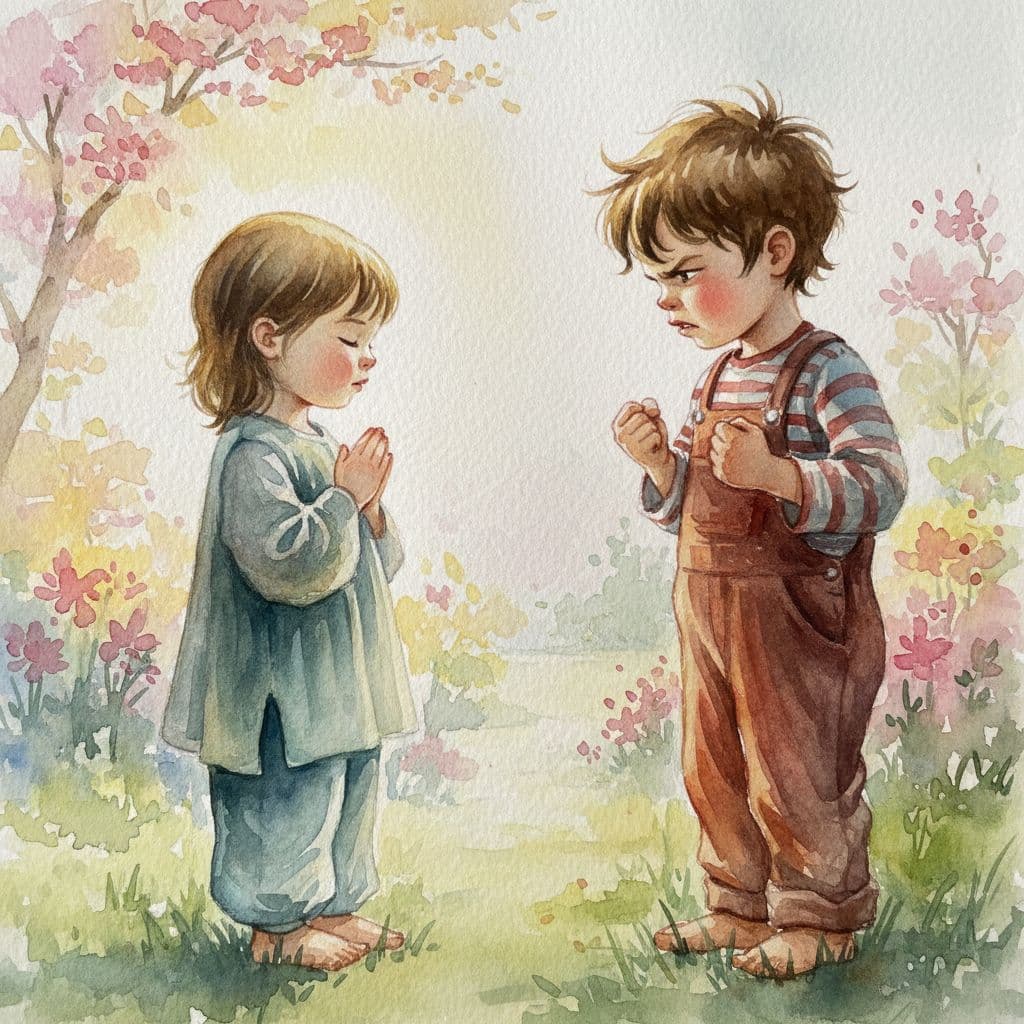
One sharp comment at breakfast can change the feel of the whole morning.
A sibling snaps back, someone bursts into tears, and suddenly you're fighting fires before you've even boiled the kettle.
As a Christian mum, you probably don't want children who are silent or scared to speak. You want children who speak with self-control, truth, and kindness.
That is why teaching a short pause before speaking can be such a helpful family habit. It's simple, gentle, and rooted in Proverbs 10:19, Proverbs 15:28, and James 1:26.
That small pause gives your child room to think, pray, and choose words that build up instead of tearing down. And it starts with what Scripture says.
What the Bible teaches about thinking before you speak
The Bible speaks plainly about words. They matter because they come from the heart, and they shape the people around us.
When you put Proverbs 10:19, Proverbs 15:28, and James 1:26 together, one message becomes clear, wise people do not rush to speak.
That doesn't mean quiet people are always wise. It means wisdom slows down before answering.
It doesn't pour out every thought the second it appears. It has a bridle on the tongue, because it knows words can heal or wound.
For children, this matters because quick words are often careless words. They interrupt, exaggerate, blame, complain, and lash out.
Not always because they mean harm, but because they speak before they think. A pause helps them step out of that pattern.
For you, this shifts the goal.
You are not only teaching better manners. You are teaching Biblical wisdom in ordinary family life. You are helping your child learn that speech is not random.
Words are one place where faith becomes visible.
The goal isn't silence. It's wise, truthful, gentle speech.
When you teach a child to pause, you are giving them a way to practise that wisdom. It is small enough for daily life. It is also strong enough to shape character over time.
Proverbs 10 shows that too many words often lead to trouble
Proverbs 10:19 says that when words are many, sin is not absent, but whoever restrains their lips is prudent. That is a simple verse, but it explains a lot of family life.
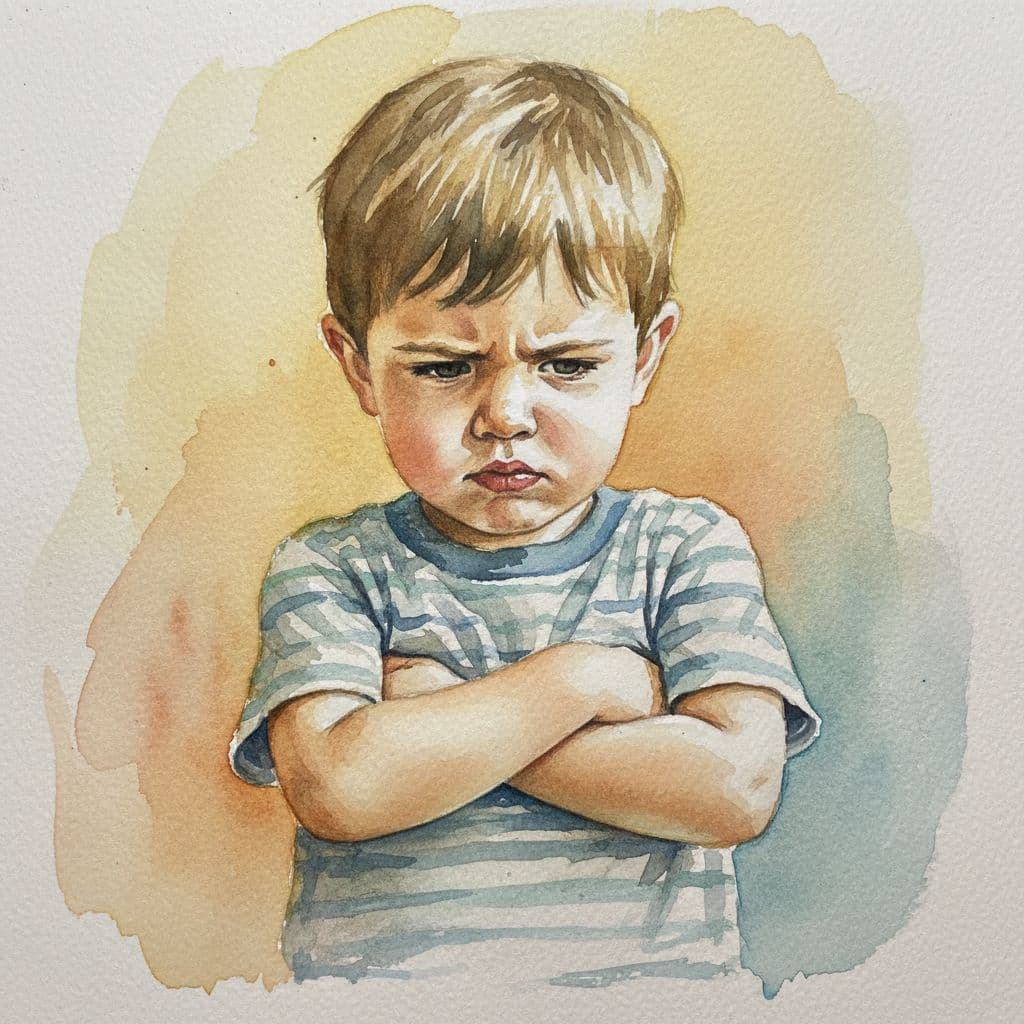
Children often get into trouble because they keep talking after they should have stopped.
They say the first thing that comes into their head. Then they add more. Then they defend it. Then they make it worse.
You see this in whining, interrupting, silly exaggeration, rude honesty, and those comments that come out before a child has even thought, "Should I say that?"
Too many rushed words usually don't bring peace. They bring pain.
A pause breaks that cycle. It teaches your child that not every thought needs to be spoken. That is not fake. It is wise. It is part of learning self-control.
And in a home full of noise, that matters. Fewer hasty words often means fewer arguments, less defensiveness, and more room for calm.
Proverbs 15:28 and James 1:26 remind you that wise words start in the heart
Proverbs 15:28 says the heart of the righteous weighs its answers, but the mouth of the wicked gushes evil.
James 1:26 adds that if someone thinks they are religious, but does not keep a tight rein on their tongue, their religion is empty.
Those verses take speech beyond politeness. They show that words are a heart issue. Your child does not only need better scripts. Your child needs help growing in wisdom, humility, and love.
That matters because you can train outward manners without touching inward motives. A child can learn to say "please" and still speak with pride. They can use a soft tone and still be manipulative.
Scripture goes deeper than behaviour alone, and God is more focused on our hearts (1 Samuel 16:7).
So when words go wrong, you are not stuck choosing between correction and grace. You can do both.
You correct the words, and you guide the heart beneath them. You ask what was happening inside. Anger? Jealousy? Hurt? Fear?
Changed speech grows from a changed heart. And that is where God's Word does its work.
Why children blurt things out, and why a pause helps
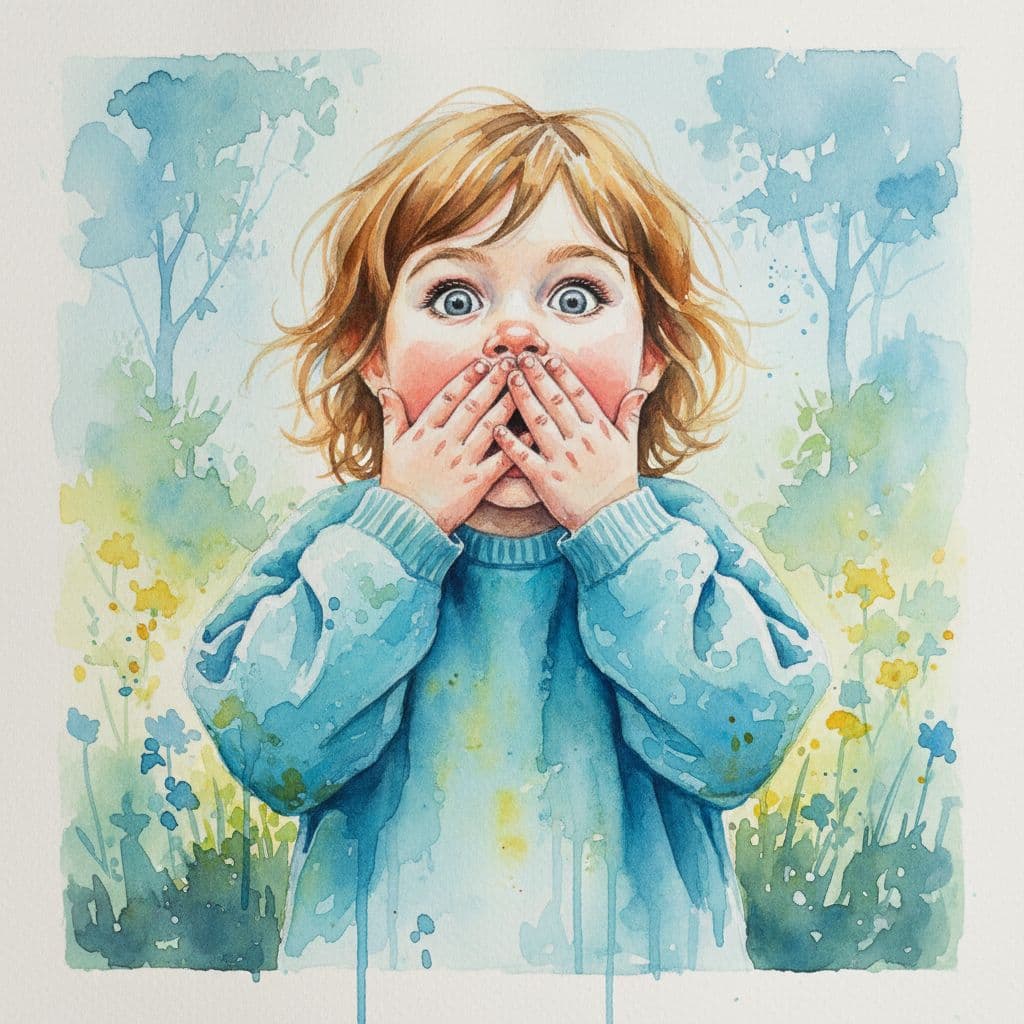
Children are not born with strong filters. They are learning, slowly and unevenly, how to handle disappointment, excitement, frustration, and tiredness. So yes, they blurt out the most awkward things sometimes!
That does not mean you are failing. It means your child is still growing.
Big feelings, little filters, and the need for a simple habit
A tired child says something harsh. An excited child interrupts every sentence. An overwhelmed child shouts. A frustrated child blurts out something cruel, then wishes they hadn't.
That is ordinary child behaviour. It still needs correction, but it also needs understanding.
Your child is learning how to stop strong feelings from taking over their mouth. That takes time. It takes repetition. It takes your calm guidance, even when the moment feels messy.
A short pause helps because it creates a tiny gap between feeling and speech. In that gap, your child can breathe, settle, and choose differently.
It is clear. It is repeatable. It gives your child something to do, not only something to avoid.
The pause gives your child time to ask, "Is it true, kind, and needed?"
Children remember simple filters better than long speeches. A pause gives them time to run their words through three quick questions: Is it true? Is it kind? Is it needed?
That little check can change a lot. "You're the worst" becomes "I'm cross". "Mum never lets me do anything" becomes "I don't like that answer".
A rude truth can become an honest but gentle sentence.
You can use this with young children and older ones. Younger children may need you to say the questions with them. Older children can begin to ask them in their own minds.
The point is not polished speech. The point is thoughtful speech. And thoughtful speech usually begins with one moment of stopping.
How to build the pause into your family routine without making it feel forced
Habits stick best when they are simple and repeated often. If you want your child to pause before speaking, build it into normal life, not only into discipline moments.
That is what makes it feel natural and helps your child learn to do it without being asked.
Start with one short phrase your children can remember
Pick one family cue and use it often.
Something like "Pause, then speak" or "Stop, think, say it kindly" works well because it is short enough to remember in the heat of the moment.
Long explanations rarely help when a child is already upset. A short phrase does. It gives them a handle they can grab quickly.
Use that phrase during calm moments first. Say it at breakfast. Say it in the car. Practise it when everyone is cheerful.
If you only bring it out during conflict, it will feel like a warning instead of a tool.
Model the habit in your own speech, especially when you are frustrated
Your child will learn this most clearly by watching you. When you feel annoyed, say out loud, "I need a moment before I answer." Or, "Let me think before I speak."
That is not weakness. It is training by example.
Children need to see that grown-ups pause too. They need to know wise speech is not automatic for anyone. It is chosen. It is practised.
Then they feel empowered that it is something they can learn to do too, because they can see Mum practicing as well.
And when you get it wrong, repair it openly. "I spoke too quickly then. That wasn't kind. Let me try again."
That kind of repentance teaches more than a perfect performance ever could.
You do not need to parent without mistakes. You need to show your child what to do after.
Practise during everyday moments, not only after unkind words
The best time to teach a pause is not only after someone has snapped. It is also during ordinary moments, when everyone is calm enough to learn.
You can practise before a sibling disagreement starts.
You can use it at mealtimes, when children talk over each other.
You can use it when getting ready for church, when stress rises and patience drops.
You can even use little role-play moments. "What could you say if your brother grabs your toy?" Then help your child try it with a pause first.
This makes the habit familiar. It stops being a special response for bad behaviour and becomes part of how your family speaks.

When words go wrong, teach repair instead of shame
Children will still say the wrong thing. Of course they will. The aim is not embarrassment. The aim is growth.
When a child blurts something rude or hurtful, slow the moment down.
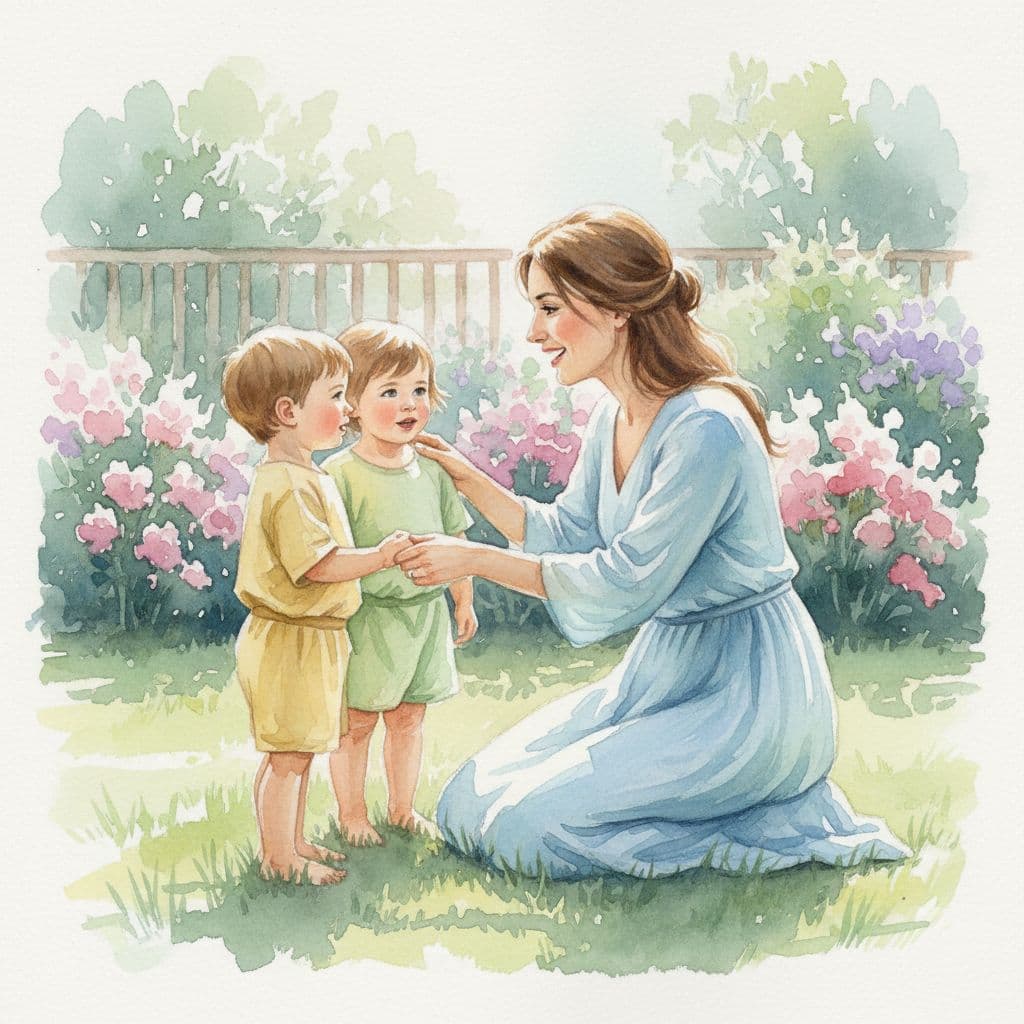
You might say, "Let's stop there. Try that again with a pause first." Or, "Those words were unkind. Take a breath and say what you mean in a better way."
That kind of correction is firm, but it is not crushing. It shows your child there is a way back after failure.
Sometimes repair will include an apology. Sometimes it will mean rephrasing. Sometimes it will mean a few quiet seconds before trying again. All of that teaches wisdom.
And it keeps connection intact. Shame says, "You are the problem." Wise correction says, "Those words were wrong, and you can learn a better way."
What this habit can grow in your child over time
A pause before speaking looks small because it is small. But small habits often shape the tone of a home more than big speeches do.
Over time, this one habit can help your child become slower to anger, quicker to listen, and kinder in conflict.
You are teaching self-control, wisdom, and love for others
When your child learns to pause, they are learning more than speech management.
They are learning self-control. They are learning patience. They are learning that other people matter.
That shows up in listening instead of interrupting. It shows up in honesty without cruelty.
It shows up in gentleness when they are disappointed. It shows up in respect, even when they disagree.
These are not small things. They are part of Christian character. They help your child love God with their heart, and love others with their words.
A calmer home begins with small faithful choices
You may not see change overnight. Some children will need constant reminders for a long while. That is normal. This is slow discipleship.
But small, repeated choices do change the atmosphere of a family.
One pause can stop an argument from growing.
One thoughtful answer can bring peace back to the room.
One gentle correction can turn a tense moment into a teaching moment.
If you want more support for those emotional melting pots at home, the freebie 5 Biblical Responses to Tantrums is a helpful next step.
It fits well with this same heart: calm guidance rooted in Scripture, not shame.
To sum up
That rushed comment at breakfast does not have to set the pattern for your home.
With time, repetition, and grace, you can teach your child to make a small pause before they speak, and that pause can make room for wisdom.
Keep it simple. Choose one short phrase this week, use it often, and model it yourself when you're under pressure.
God is not asking you to raise perfect children. He is helping you shape hearts and tongues, one ordinary moment at a time, with His Word as your foundation.