
Family Routines That Grow Patience Through Sabbath Rest
Table of Contents
What Sabbath rest really means for a busy family
Simple weekly routines that help your home slow down
How slowing down helps your children, and you, become more patient
By Friday, your home can feel loud, rushed, and frayed at the edges.
You find yourself going through the motions just trying to get through the day, and by the end everyone seems reactive.
Short tempers rise, sarcasm creep in, and patience feels far away.
Yet patience rarely grows in hurry. It grows where there is space to breathe, pause, and remember Who holds your family together.
In Exodus 20:8-11, Mark 2:27, and Psalm 46:10, you see that Sabbath is not only a day to keep, but a pattern to receive.
The importance of rest is woven throughout the Bible.
What Sabbath rest really means for a busy family
Sabbath can sound heavy if you already feel stretched. You may picture rules, pressure, or one more thing to get right.
But Scripture paints a kinder picture.
In simple words, Sabbath is God's gift of rest.
It is a regular reminder that you are human, your children are human, and God is still God.
That matters because family life easily teaches the opposite.
It is easy to fall into living if every need depends on you, every moment must be filled, and every problem must be solved at once. Especially as a mum!
Exodus 20:8-11 roots rest in creation itself. God worked, then rested, and He wove that rhythm into life.
Mark 2:27 makes the tone clear, "The Sabbath was made for man, not man for the Sabbath." In other words, Sabbath serves people. It is meant to help you, not to stress you out.
Psalm 46:10 adds the heart of it, "Be still, and know that I am God." Stillness helps you remember both your place and the Lord's.
That is why Sabbath rhythms matter for your children too.
Over time, a home that stops, slows, and receives rest teaches them something deep.
Life is not only about speed and output. Home can be a place of peace. God can be trusted. Waiting is possible.
Sabbath rest is not a reward for finishing everything. It is a gift that reminds you that everything does not rest on you.
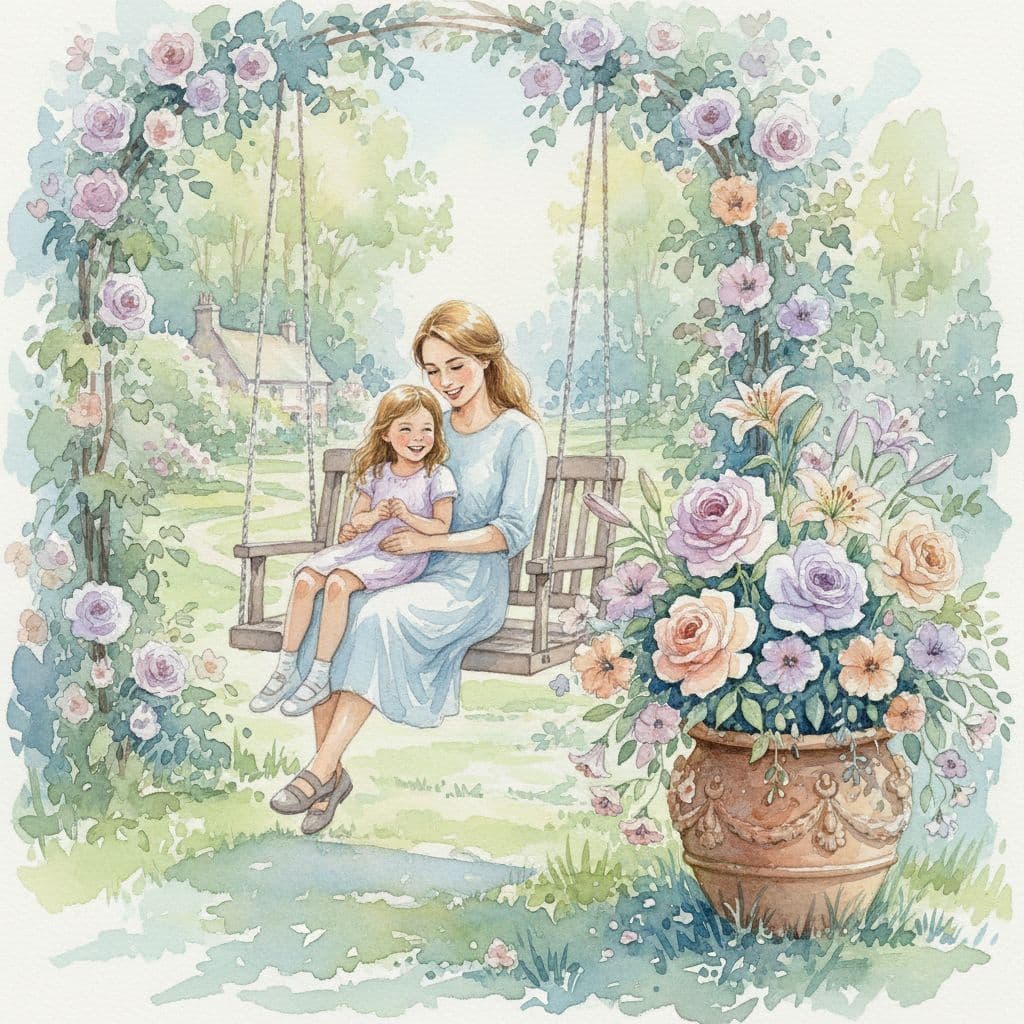
Exodus 20 shows that rest is part of God's design
Stopping is not laziness. It is part of how God created life to work.
When you ignore limits, your family often pays for it in hidden ways.
Children become irritable. You become sharp. Small problems feel huge because no one has anything left to give.
Yet when you honour the pattern of work and rest, you teach something better than time management. You teach trust.
A weekly pause says, "We will not run without end." It says your worth does not rise and fall with a tidy house, packed schedule, or productive day.
That truth settles a home and builds a strong foundation that your child's worth does not come from how much they can achieve.
Mark 2 reminds you that Sabbath is a gift, not a burden
Jesus spoke about Sabbath with care, not harshness. That matters if you carry guilt easily.
A Sabbath rhythm should fit your real life. It should draw your family closer to God and to each other.
If your version of rest creates more stress, it needs to be simpler.
For a mum with young children, faithfulness may look like a slower lunch, quiet music in the background, and half an hour of no errands. That still counts.
The point is not a rigid checklist. The point is receiving what God gives.
Simple weekly routines that help your home slow down
Sabbath rhythms work best when they shape the whole week, not only one afternoon.
Think of them as gentle anchors. They do not need to be impressive. They need to be repeatable.
When your days have small calm points, everyone benefits.
Children begin to expect rest instead of constant rush.
You also gain tiny spaces to pray before irritation spills over.
Over time, those small pauses work like a steady hand on a spinning wheel. They help the home settle and breathe.
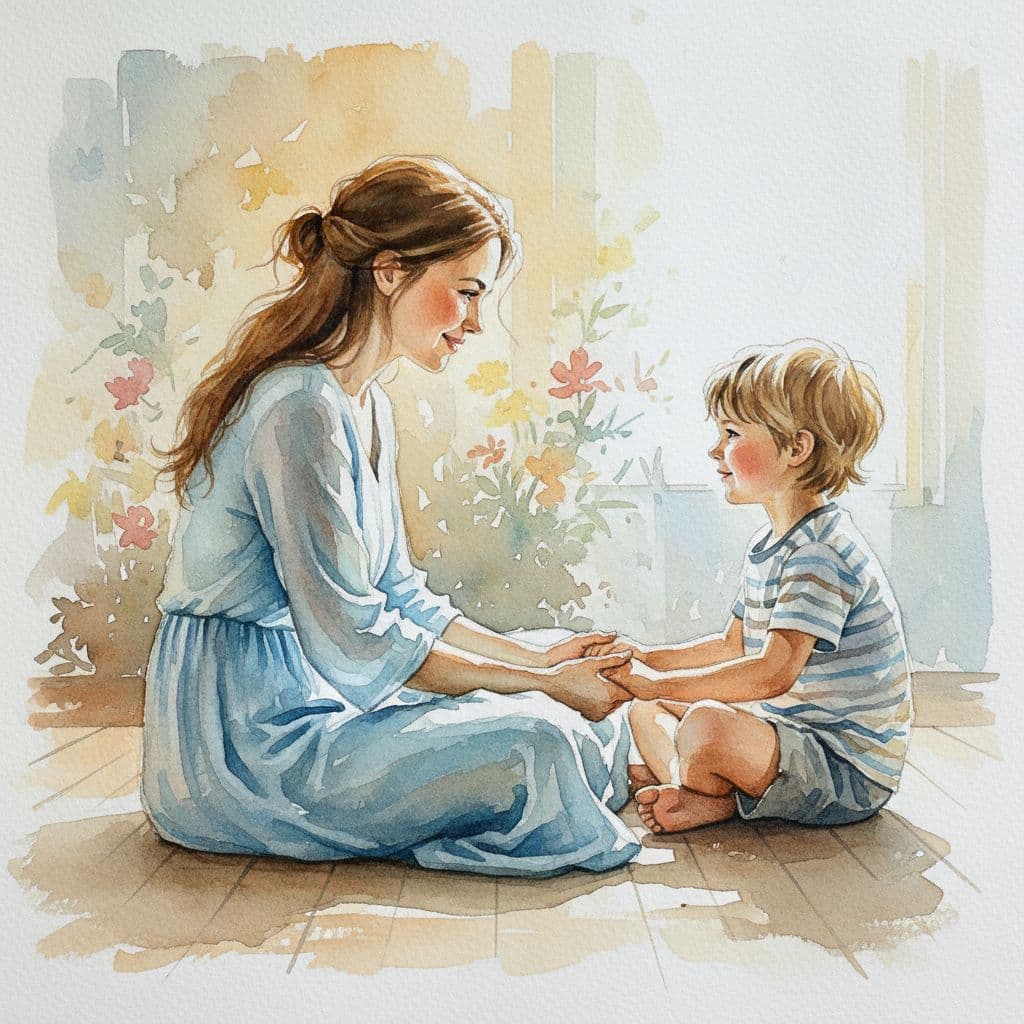
Create a gentle start and finish to each day
A calm week often begins with calmer edges.
Mornings and bedtimes matter because they set the tone when children are most tender, and when you are often most tired.
You do not need a long routine. You need one or two simple habits you can keep.
For example, you might light a candle, play gentle background music (think peaceful instrumental music), and begin breakfast with one short Psalm.
You might hold hands for a ten-second prayer. Or have everyone say one small thing they're thankful for.
At night, you could tidy one room together, read a story, and end with the same blessing each evening (Numbers 6:24-26 is a beautiful blessing to pray over your children daily).
These repeated moments help children regulate their emotions.
Predictable rhythms make the day feel safer. Because your child knows what comes next, they do not have to fight every transition.
Meanwhile, you are less likely to bark instructions when you are not inventing each day from scratch.
Try thinking of these habits as bookends. They hold the day together, even when the middle feels messy.
Choose one family Sabbath rhythm you can actually keep
Start with what fits this season, not with an ideal picture in your head.
If you have toddlers, naps, church, and a roast dinner filling your Sunday, keep it light.
You might choose one slower Sunday afternoon each week. You might share a simple meal, skip shopping, reduce phone use, and take a walk if the weather allows.
Find what works for you, whether that's putting devices away until dinner time. Or keeping the house quiet with books, Lego, drawing, or time in the garden.
The best Sabbath rhythm is the one you can repeat without dread.
Choose one or two practices, then keep them steady.
A family walk, and some good quality time as a family can do more for your home than an ambitious plan you drop after two weeks.
Because patience grows in repetition, and ordinary habits matter. They whisper to your children, week after week, "We do not have to rush all the time."
And if Sunday is too full, do it Saturday, or another day.
The day itself is not important; the focus is on being intentional about resting.

How slowing down helps your children, and you, become more patient
Patience is not only a character issue. Often, it is also a capacity issue.
When your family runs on too little sleep, too much noise, and back-to-back demands, everyone has less room to cope.
That is why rest changes behaviour in such a practical way.
A calmer rhythm does not make your children perfect, and it does not make you endlessly serene.
It does, however, give your home more margin. Margin makes patience easier.
Rest gives your child fewer chances to meltdown from overload
Children often unravel when they are tired, hungry, over-stimulated, or rushed.
You see it in the tears over the wrong cup, the crash after a busy morning, or the tantrum that seems to come from nowhere.
Often, the root issue can be traced back to a lack of rest.
Packed schedules wear children down. So do noisy rooms, long outings, late nights, and constant screen shifts.
By contrast, slower routines create predictability. Meals happen at similar times. Bedtime does not drift too late. Quiet moments break up the day.
As a result, your child has fewer overload moments.
Unfortunately, this does not remove all hard moments (nothing does, sadly).
But it does lower the temperature in your home.
Children cope better with disappointment when their bodies and minds are not already maxed out.

Stillness helps you notice your own triggers before you snap
Psalm 46:10 is not only a verse for framed prints. It is a lifeline for a weary mum. "Be still, and know that I am God" gives you a place to stop before your words run ahead of your heart.
Stillness can be brief. It may be one slow breath at the sink, one whispered prayer outside the bedroom door, or one minute in the car before school pick-up.
In that pause, you remember that urgency is not always wisdom. You do not have to answer every whine with intensity.
When you build rest into your week, you begin to see your own patterns.
Maybe hunger makes you harsher. Maybe clutter makes you edgy. Maybe evenings are your weak spot.
That notice-and-pause habit is where patient responses begin.
Stillness does not remove your limits. It helps you see them sooner, and bring them to God.
A realistic way to start Sabbath rhythms this week
Keep this simple. Do not try to rebuild your whole family culture by next Sunday. Start with one small pattern and let it grow.
Pick one time to stop. That could be Sunday from lunch until bath time.
Then choose one activity to remove, such as shopping, sports, or mindless scrolling.
After that, add one restful activity your family enjoys. A walk, simple baking, reading aloud, or quiet play all work well.
Here is a gentle starting plan for one week:
Choose a stop time, and tell the family in simple words.
Remove one thing that makes the day noisy or rushed.
Add one thing that helps everyone breathe.
Repeat one short prayer, such as, "Lord, help us be still and receive Your rest."
Start small, repeat often, and let the rhythm grow
Consistency matters more than intensity. One faithful habit can change the feel of your home over time.
If hard moments are where you struggle most, extra support can help.
I have created a free resource: 5 Biblical Responses to Tantrums to help, because calmer rhythms and calmer responses belong together.
When your child has a tantrum, you need both truth and a slower heart.
Do not aim for a picture-perfect Sabbath. Aim for a family life with a little more room for grace.
Small patterns shape people. Week by week, your home can feel less hurried and more held.
Sabbath rhythms are not another burden for your list.
They are God's kind way of reminding you to stop, receive, and trust.
Exodus 20 shows that rest belongs in the design of life, Mark 2 shows it is a gift, and Psalm 46:10 calls you back to stillness when you start to spin.
That is good news for tired mums. You do not need a flawless routine to grow a calmer home. You need one simple act of rest that you can repeat.
Begin this week with one small step, and let peace take root there.