Joseph's Patience in Unfair Seasons: Helping Your Child Cope with Disappointment and Injustice
Table of contents
Joseph's story shows your child that unfair seasons can still have purpose
Help your child name the pain, then practise patience one small step at a time
Use Romans 5:3-4 to build character, not shame, after the storm has passed
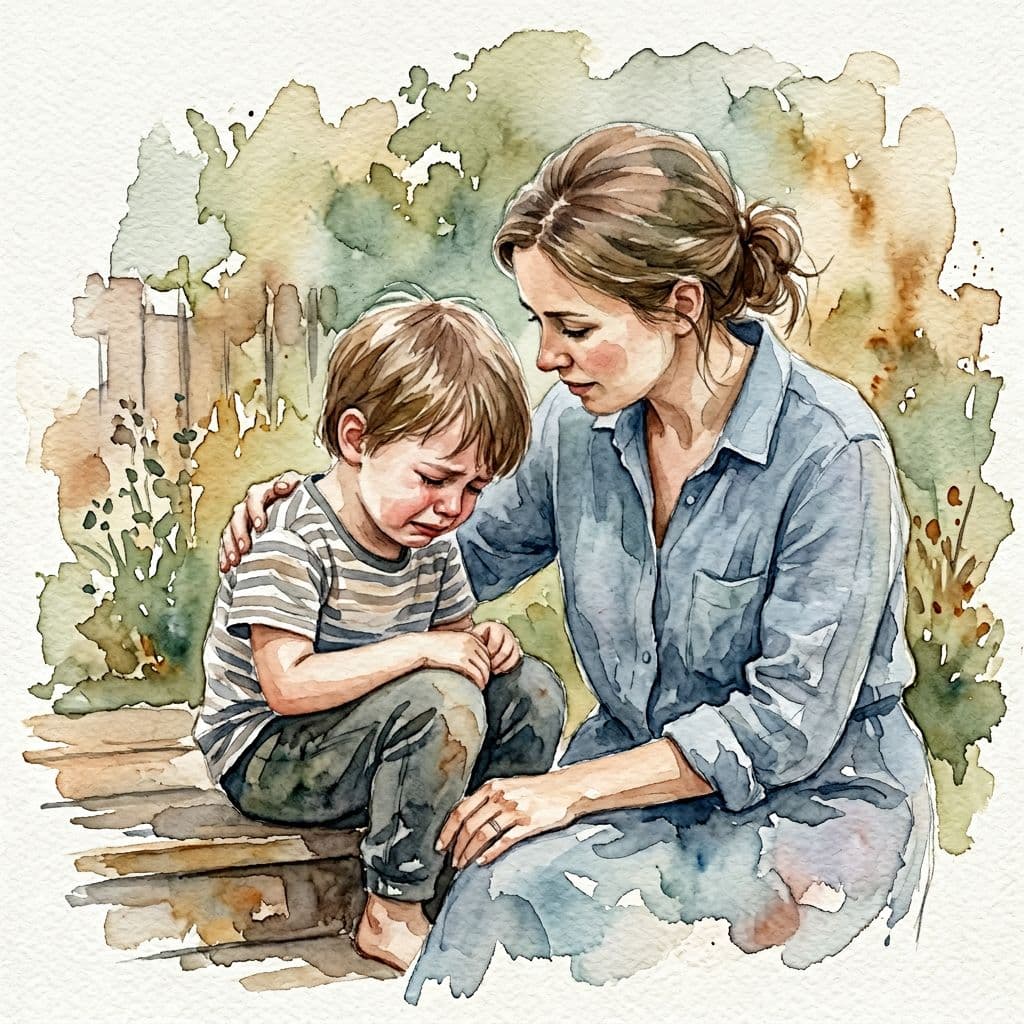
Your child's world can suddenly feel unfair, sometimes at the drop of a hat. A friend won't share, a teacher believes the wrong story, or a sibling gets the last biscuit.
Then you're left holding the big feelings, the tears, and the angry words whilst trying to understand what happened and empathise with your child.
You want to be kind, but you also want to be clear.
If you're a Christian mum, you might also be thinking, "How do I bring God into this without brushing their pain aside?"
That matters, because injustice hurts. It stings at six years old, and it stings at sixteen, and it can still sting at sixty.
This is a Bible-anchored, practical guide to helping children cope with disappointment and injustice, using Joseph's patience in unfair seasons (Genesis 37, Genesis 39 to 41) and the promise of Romans 5:3-4.
You'll also get simple words you can say in the moment, when you don't have time to think.
Joseph's story shows your child that unfair seasons can still have purpose
Joseph's life doesn't read like a cute children's story. It's messy, painful, and unfair in ways that feel familiar, even if the setting is different.
That's why it helps so much when your child feels wronged.
Joseph starts out as a teen in a tense home where his brothers resent him. Then, in a moment, everything changes. He loses safety, family, and control.
Later, even when he does the right thing, trouble finds him again. Yet through it all, Joseph keeps choosing faithfulness.
He doesn't pretend the wrong is right., but he also doesn't let wrong decide who he becomes, or change how he sees God's promises.
When you talk about Joseph with your child, you're not promising them a quick fix. You're showing them a steady truth: God can be at work even when people behave badly.
Your child can learn patience that isn't passive. It's the kind that keeps doing the next right thing, while waiting for God to write the rest.
It's a practical example of knowing that in all things God works for the good of those who love Him, who have been called according to His purpose (Romans 8:28)

Genesis 37: betrayed at home, and still not abandoned by God
Genesis 37 begins with family tension. Joseph's brothers feel left out watching Joseph be favoured by Jacob Their jealousy grows and leads them to throw Joseph into a pit, then sell him.
One day he's at home, the next he's gone.
That shock matters for children. They understand the pain of being left out, blamed, or treated like the "problem".
Joseph's story tells them, in a child-friendly way, that people can choose wrong, and it can cost you. Yet God hasn't disappeared.
A simple takeaway you can say is: "Joseph didn't deserve what happened. But God stayed with him anyway."
It also helps to say what the story doesn't say. Genesis 37 doesn't rush to a happy ending. Joseph doesn't get an instant apology. He doesn't get a quick ride home.
So when your child is hurting, you don't need to tidy the moment with a bright phrase, to stop the pain and quickly rush back into peace and happiness (although that is always preferable!)
Sometimes the kindest thing you can do is sit with them and admit: "That was really hard." Hope can come later.
Genesis 39 to 41: unfair trouble keeps coming, but Joseph keeps choosing what is right
In Genesis 39, Joseph is taken to Egypt and sold as a slave. Even there, he works hard. He serves well. Then Potiphar's wife lies about him, and Joseph ends up in prison.
It's unfair again, and it comes after he chose what was right.
Prison becomes another long season. But Joseph waits well: he uses the gifts God has given him to help others. He interprets dreams. He shows care.
Still, when the cupbearer is freed, he forgets Joseph. That kind of delay can feel cruel, because Joseph did everything right.
He went over and above, and even asked the guy to tell Pharaoh.
But 3 days later when what Joseph said came true, he had completely forgotten about him!
Then Genesis 41 turns a page. Pharaoh has troubling dreams, and Joseph is called. God gives Joseph understanding, and a door opens that Joseph couldn't force open himself.
This is where you can gently teach your child the difference between what they can control and what they can't.
Joseph couldn't control:
His brothers' jealousy. A false accusation. How long it took for help to come.
But Joseph could control:
His honesty. His effort. His trust in God, one day at a time.
That's patience in unfair seasons. It isn't pretending things are fine. It's steady obedience over time, even when you're misunderstood.
And if we show God we can be trusted with the little, then He will be able to trust us with more in time (Luke 16:10-13)

Help your child name the pain, then practise patience one small step at a time
When your child faces disappointment and injustice, your first job isn't a lecture. It's being there. Children calm down when they feel seen.
After that, you can teach skills that match their age.
Think of it like helping them carry a heavy bag. You don't shout: "Be stronger!" You lift one end, slow your pace, and take the next few steps together.
The goal is simple: help your child tell the truth about what happened, choose a wise response, and remember God is near.
You'll repeat this often, because growth comes through practice, not one perfect conversation.
When your child feels wronged, connection comes before correction. You can guide them better once they feel safe with you and back into peace.
Start with validation: 'That was unfair, and it is okay to feel upset'
Validation means you name what's real. It tells your child they're not "too much". It also lowers panic in the moment, because they don't have to fight to be understood.
Here are some ideas of things you can say:
For a toddler:
"You're sad. You wanted a turn. Mummy sees you."
"It feels unfair. You can cry with me, not hit."
For primary-school age:
"That was unfair, and it's okay to feel upset."
"You're angry because you got blamed. I understand."
For older children:
"I can see why that stung. Being misunderstood feels rubbish."
"Tell me the story, and I'll listen first."
One caution matters: validation isn't the same as approving bad behaviour. You can say, "I get it," and still hold a boundary.
For example: "You can be angry, but you can't shout at your sister." That keeps your child safe, and it keeps everyone else safe too.
When you do this consistently, your child learns a powerful lesson: feelings are allowed, and they don't have to take charge.
Teach the 'control circle': what you can change, and what you cannot
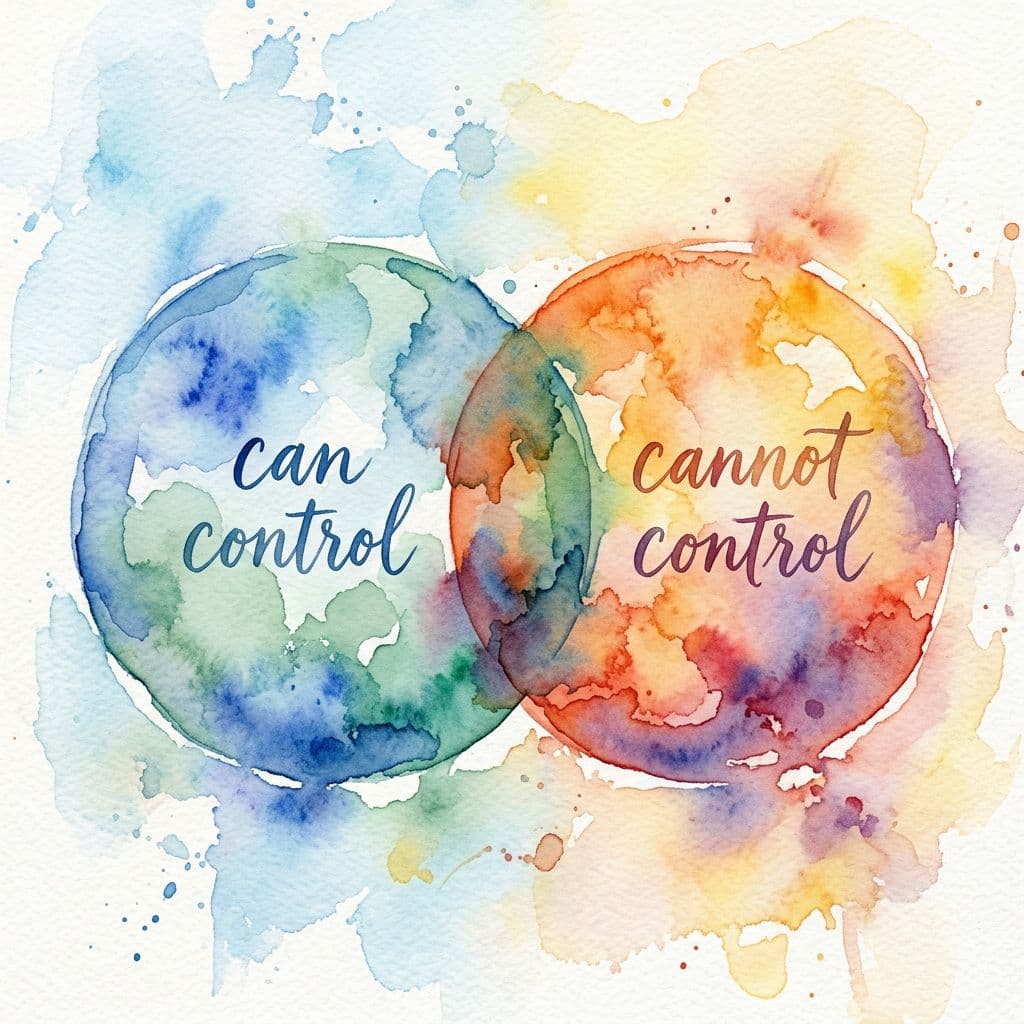
Children often spiral because they try to control what they can't. That's when you hear, "It's not fair!" on repeat. A simple "control circle" activity turns that fog into something they can see.
Take a sheet of paper. Draw two circles.
Circle 1: "I can control"
Circle 2: "I cannot control"
Then add examples together, based on what happened.
If a teacher misunderstands:
I can control: telling the truth calmly, asking Mum to email, doing my work.
I cannot control: the teacher's first reaction, what classmates think today.
If a sibling blames them:
I can control: my words, walking away, asking for help.
I cannot control: my sibling's mood, whether they admit it right now.
If they weren't invited to a party or event:
I can control: still being kind, choosing another friend, talking about how they felt with you.
I cannot control: someone else's guest list.
Link it back to Joseph. In prison, Joseph couldn't choose the timeline. He could choose integrity.
That's where Romans 5:3-4 connects, because endurance grows when you keep doing what's right in the part you can control.
You can say, "This is your Joseph moment. You can't fix the whole story today, but you can choose your next step."
Give them a calm plan for the moment disappointment hits
Children need a simple routine they can remember when they're bombarded with emotions.
Keep it short, so you can use it in the car, at the school gate, or while you're prepping dinner.
A three-step plan works well:
Pause: breathe, relax hands, and un-clench jaw.
Tell: use words, not yelling, to say what's wrong.
Trust: hand it to God with a short prayer.
You can practise this when your child is calm, not only during a meltdown. Make it playful.
Try it when they lose a board game. Repeat it when they spill a drink. That repetition builds a path in their brain.
Here's a simple prayer you can whisper together: "Jesus, help me. Make my heart steady."
If your child struggles to speak when upset, give them a sentence to borrow:
"I'm upset because that felt unfair. Can you help me?"
"I need a minute. I'll talk when I'm calmer."
Over time, this becomes patience in action. Not perfect behaviour, but a growing ability to pause, speak, and trust. It's a practical application they can hold on to until it becomes a habit.

Use Romans 5:3-4 to build character, not shame, after the storm has passed
Romans 5:3-4 doesn't tell you to enjoy suffering. It tells you what God can grow through it: perseverance, character, and hope. That matters for your parenting, because it keeps you from two traps.
First, you won't pretend pain is small.
Second, you won't turn hardship into a guilt trip.
Children hear shame quickly, even when you don't mean it.
Instead, you can treat a hard moment like a training session after the match. You review what happened, praise what was good, and plan for next time. Then you move on with hope.
Romans 5:3-4 is about what God builds in you, not a stick to beat yourself with.
What 'suffering produces perseverance' can look like in your everyday life
Children need this verse in plain words so it makes sense for them. Try: "Hard things can help you grow stronger inside, with God's help."
Then attach it to real life, not only big tragedies.
When your child loses a game: They learn to keep going, even when they feel embarrassed. You can praise effort, not just winning.
When you say "no" to sweets or screens: They practise waiting. That waiting is a small kind of perseverance.
When a sibling treats them unfairly: They can choose a wise response, even if the other child doesn't. That's character forming in real time.
You're not saying, "Be grateful you suffered." You're saying, "God can grow something good in you, even here."
Joseph's life shows that waiting seasons can shape you. They can also prepare you for responsibilities you're not ready for yet.
Debrief with hope: questions that help your child learn without reliving the upset
Choose a calm time, perhaps at bedtime or during a quiet part of the school run. Keep your tone gentle. Your child shouldn't feel like they're on trial.
Here are some example questions you can use:
"What happened, in your words?"
"What did you feel in your body?"
"What did you do that was wise?"
"What part was hard to control?"
"What could you do next time?"
"Do you need to put anything right?"
"Where do you think God was helping you?"
End with a small step, not a big speech. You might say, "Next time, let's try Pause, Tell, Trust." Or, "Tomorrow, I can help you speak to your teacher."
Also, know when to get extra help.
If there's ongoing bullying, persistent anxiety, or anything unsafe, don't treat it as a character lesson. Act quickly, involve school staff, and seek professional support if needed.
To sum up
You can't protect your child from every unfair season. Still, you can give them a sturdy way through it.
Joseph's patience shows your child that injustice is real, but it doesn't have to shape their soul.
They can face disappointment, choose what is right, and grow perseverance and hope (Romans 5:3-4), one small step at a time.
Pray this over your child: Lord, stay close when life feels unfair. Give my child a steady heart and clean hands. Grow perseverance in them, and let hope take root. Amen.
If you'd like more in-the-moment words that actually help, grab 5 Biblical Responses to Tantrums, and keep it somewhere easy to reach.
When the next meltdown comes, you won't be starting from scratch.